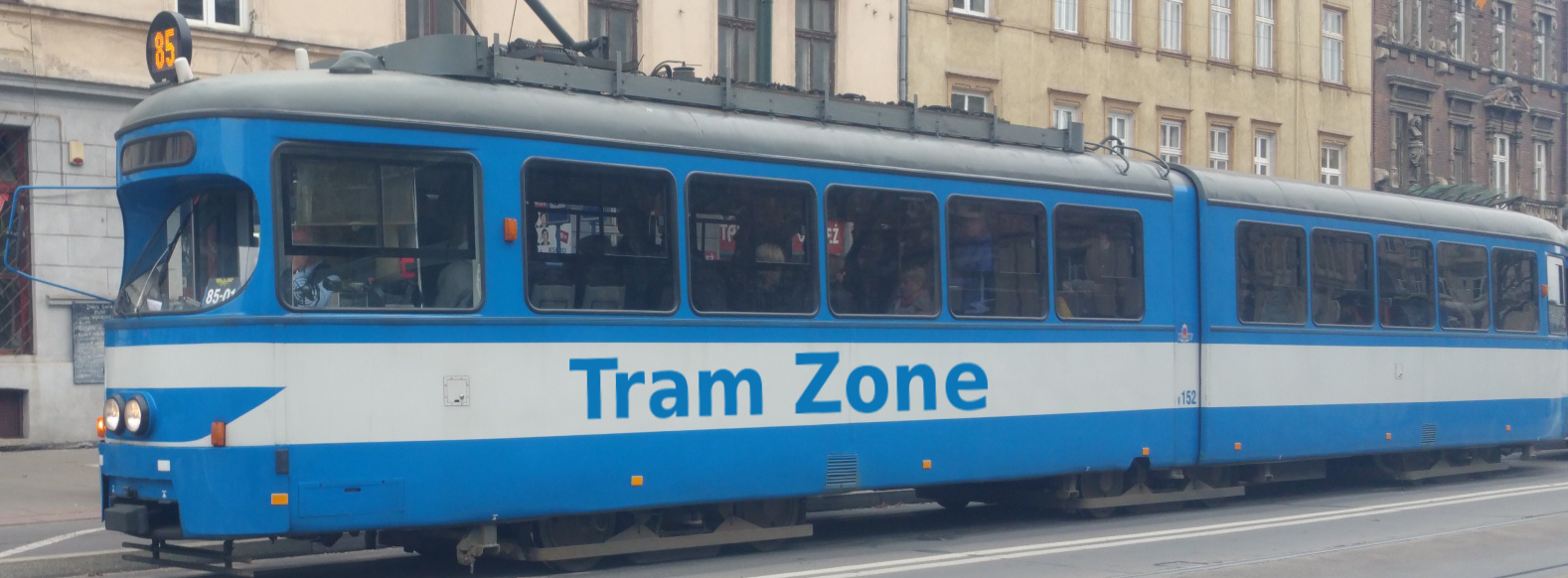
Tram systems in Turku
Turku is situated on the southwestern coast of Finland at the mouth of the River Aura. It is the principal city of the Southwest Finland region and one of the country's largest urban centres. Turku is officially bilingual and is known as Åbo in Swedish.
The city is generally regarded as the oldest in Finland, with 1229 used as its traditional founding year. Turku became the principal political, religious and commercial centre of Finland during the period of Swedish rule and served briefly as the capital of the autonomous Grand Duchy of Finland between 1809 and 1812.
Turku Castle, Turku Cathedral and the streets beside the River Aura reflect the city's long history. Modern Turku is an important centre for higher education, healthcare, shipbuilding, technology and culture. Its port provides passenger and freight connections through the Finnish archipelago towards Åland and Sweden.
Public transport in Turku and the surrounding municipalities is coordinated under the Föli brand. The network is currently based principally on conventional buses, supplemented by seasonal water buses and the Föri passenger ferry across the River Aura.
Turku's principal railway stations provide long-distance and regional services towards Helsinki, Tampere and other Finnish cities. The main bus station is north of the city centre, while Turku Airport is served by local buses. The Port of Turku is an important interchange for passengers transferring between buses, trains and international ferries.
A network of high-frequency trunk bus routes was introduced in 2025. The busiest corridor between Varissuo, Kupittaa and the city centre is intended eventually to be replaced by the first route of the new tramway.
Turku does not currently have an operating tramway. Its historic electric network closed in 1972, and urban public transport has subsequently been provided principally by buses.
On 18 May 2026, Turku City Council approved construction of a new tramway between the port, city centre, Kupittaa and Varissuo. The decision is conditional upon confirmation of financial support from the Finnish government.
The approved line will be approximately 12 kilometres long and have 20 stops. Preliminary construction and archaeological work will take place before the main tramway is built, with passenger services currently expected to begin in autumn 2033.
Turku became the first city in Finland to operate a tramway when a horse-drawn service opened in May 1890. The predominantly single-track, standard-gauge route was approximately 3.1 kilometres long and connected the city centre with Turku Castle.
Five tramcars built in Sweden were available for the service. Although the route demonstrated the potential of street-based public transport, passenger revenue was insufficient to cover its operating and infrastructure costs.
The horse tramway closed on 31 October 1892 after only two and a half years. Turku then remained without trams for more than 16 years.
Rapid population growth and industrial development revived interest in tram transport during the opening years of the twentieth century. The German electrical company AEG agreed to construct and operate a new electric system in association with the city's electricity supply undertaking.
Electric services began on 22 December 1908. Unlike the earlier horse tramway, the new system was constructed to metre gauge.
The initial network comprised a circular route around the central districts and a line between the city centre and the port. These provided connections between residential areas, commercial streets, the railway and harbour.
The City of Turku acquired the tramway in 1919. An explosion at the city's electricity generating station during 1920 severely damaged the plant and suspended tram services for almost three months.
Private bus operators began serving Turku during the 1920s, creating competition for the municipal tramway. Despite periods of financial difficulty, the city decided during the early 1930s to retain and expand the system.
New extensions opened in several stages from 1932, while parts of the original single-track network were converted to double track. The expanded system was reorganised into three principal routes serving the city centre, port, developing residential districts and industrial areas.
New yellow tramcars were introduced during the 1930s. Several were constructed in Finland, beginning a local tradition of manufacturing vehicles for the Turku system.
Passenger numbers increased substantially during the Second World War as fuel shortages restricted other forms of transport. Additional tramcars were constructed during the conflict to handle the heavier traffic.
After the war, the city renewed tracks and acquired further rolling stock. New Karia-built trams entered service from 1951, followed by eight four-axle Valmet RM2 cars in 1956. These were the largest and most modern vehicles constructed for the system.
The network reached its greatest extent during the 1950s. However, suburban development was increasingly served by buses, while much of the older tram infrastructure and rolling stock required substantial investment.
During the 1960s, buses were widely regarded as a more flexible and modern form of urban transport. Turku considered expanding the tramway to developing suburbs, but the required investment in tracks and vehicles was not approved.
Maintenance was progressively reduced as the city moved towards replacement of the network by diesel buses. Line 1 closed in March 1967, followed by the inner section of circular line 3 in April 1971.
Line 2 ceased operating on 31 May 1972. The remaining outer section of line 3 continued for another four months, carrying its final passengers on 1 October 1972. Crowds gathered to say farewell, and several of the last trams were decorated with flowers.
Closure left Helsinki as Finland's only remaining operational tram city. Several former Turku vehicles were subsequently preserved, maintaining public awareness of the lost system.
The possibility of restoring trams was discussed repeatedly following the 1972 closure. Studies during the 1990s and early 2000s considered conventional tramways, light rail and regional systems connecting Turku with neighbouring municipalities.
In 2009, Turku City Council made a decision in principle to develop a modern light-rail system. Studies undertaken between 2013 and 2021 compared tramways with enhanced trunk-bus and so-called superb bus alternatives on corridors towards Varissuo, Runosmäki, Skanssi, Raisio and the port.
In April 2020, the council selected the corridor from Linnakaupunki and the port through the city centre and Kupittaa to Varissuo for more detailed planning. Turku Tramway Ltd was established in 2022 to lead the project.
The City Board authorised implementation planning for the Port–Varissuo route in October 2023. The Turku Tramway Alliance began work in April 2024, preparing detailed designs, street plans, impact assessments and a binding target cost.
The planning process considered the tramway as both a transport project and a means of directing new housing, employment and commercial development. Particular attention was given to Linnakaupunki, the city centre, the university and hospital district, the Science Park and Varissuo.
On 18 May 2026, the City Council approved construction of the new system. The decision marked the most significant step towards restoring trams since the historic network closed, although commencement of the main tramway remains conditional upon state funding.
Turku's first modern tram route will run for approximately 12 kilometres from the ferry terminal at the port through Linnakaupunki, the city centre, Kupittaa and the Science Park to Kraatarinkatu in Varissuo.
Twenty stops are planned. Principal destinations will include the Port of Turku, the former central railway station, Market Square, Turku Cathedral, Turku University Hospital, Kupittaa station, the university campuses and the centre of Varissuo.
The line is intended to operate every seven and a half minutes during the busiest periods. Indicative journey times are 13 minutes between Market Square and the ferry terminal, ten minutes between Market Square and Kupittaa and 14 minutes between Kupittaa and Varissuo.
The project also includes extensive reconstruction of streets along the route, with new pedestrian and cycling facilities, landscaping, utilities and green infrastructure. Detailed information about the alignment and stops is available from Turku Tramway Ltd.
The first construction stage will concentrate on Cathedral Bridge and the surrounding streets between Hämeenkatu and Eerikinkatu. This work will renew an important public transport corridor through the historic centre and allow extensive archaeological investigations to be completed before tram tracks are installed.
Preparatory work is scheduled between 2026 and 2028, with substantial construction in the Cathedral Bridge area expected to begin during 2027. The Finnish government has already allocated €10 million towards this initial package.
Construction of the tramway itself will begin after state funding is confirmed through the next agreement covering land use, housing and transport. The City Council's approval therefore represents a conditional construction decision rather than permission to begin every part of the project immediately.
The total cost estimate approved in May 2026 is €465.2 million. The Turku Tramway Alliance will deliver the infrastructure through a phased programme extending into the early 2030s.
Track and associated street construction are intended to be completed during 2032. Testing, trial operation and staff training will then take place before passenger services begin in autumn 2033.
If the current programme is achieved, trams will return to Turku 61 years after the final service on the original network. The construction decision and programme are described in the Turku Tramway Alliance announcement.
A new depot is planned at Iso-Heikkilä, west of the city centre. It will be connected to the passenger route near Kirstinpuisto by approximately 1.1 kilometres of additional track.
The initial fleet is planned to comprise 14 accessible, low-floor trams. Vehicle procurement will proceed alongside construction of the infrastructure because of the lengthy design, manufacturing, testing and approval process.
Turku initially allocated €2.5 million to begin the procurement process. The complete fleet is expected to cost approximately €65–75 million, although the manufacturer and final technical design have not yet been selected.
Turku's strategic target network identifies several corridors that could be developed after completion of the Port–Varissuo line. Possible extensions or additional routes could serve Pansio and Perno, Raisio, Runosmäki and the airport, Skanssi and Kaarina, and Hirvensalo.
Of the potential regional extensions, a route towards Raisio has previously been identified as a possible early candidate. The corridors would allow the initial line to develop into a wider city and regional network.
These proposals remain at a general strategic level. Detailed alignments, construction programmes and funding have not been prepared, and progressing any of them would require a separate political decision. Further information is available in the Turku Tramway frequently asked questions.